
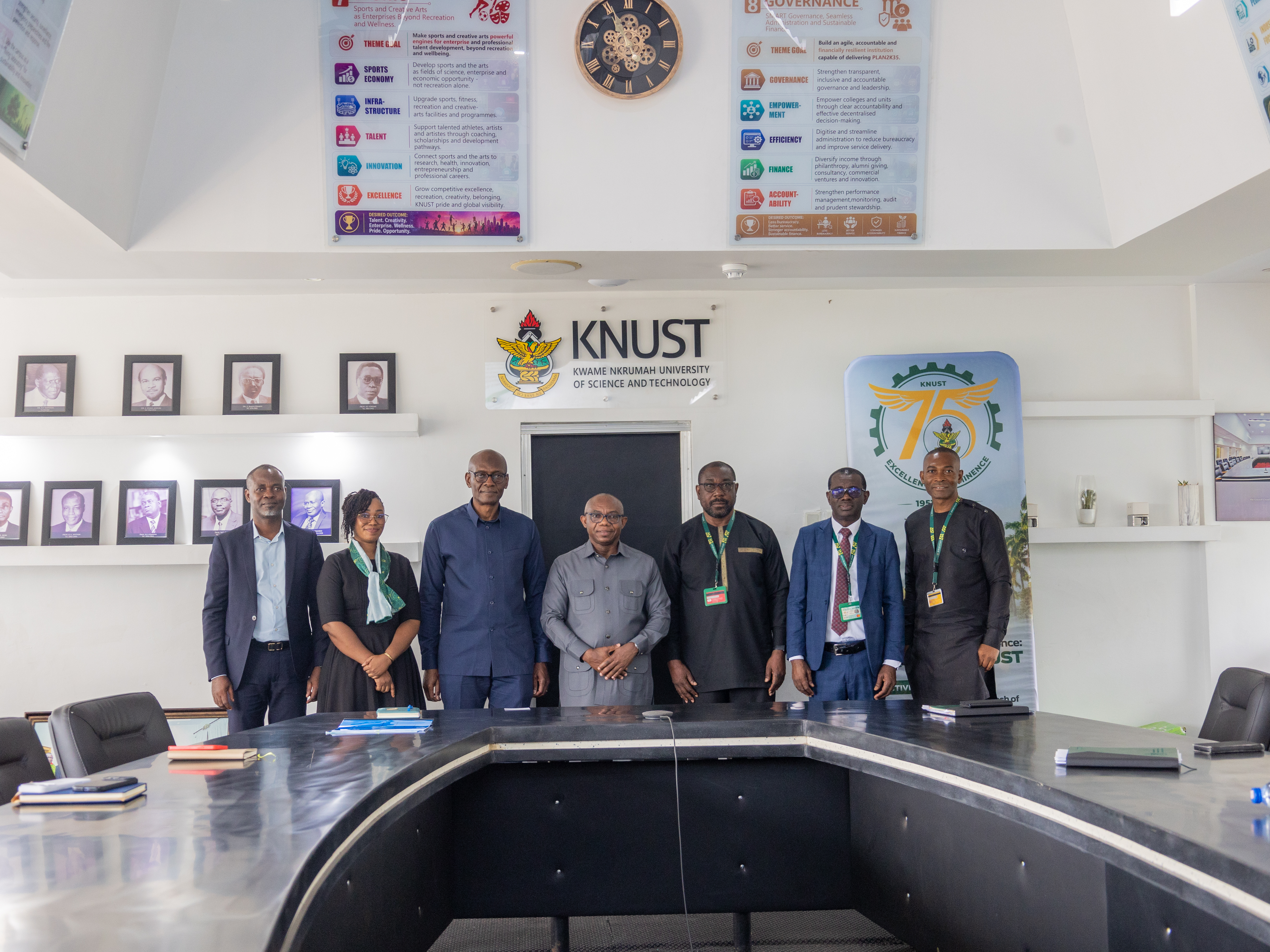
The Kwame Nkrumah University of Science and Technology, Kumasi (KNUST) has signed a memorandum of understanding with the Commission for Technical and Vocational Education and Training (CTVET) to promote competency-based training and equip learners with skills relevant to industry.
The partnership aims to strengthen practical training, align skills development with industry needs and help young people pursue self-employment.
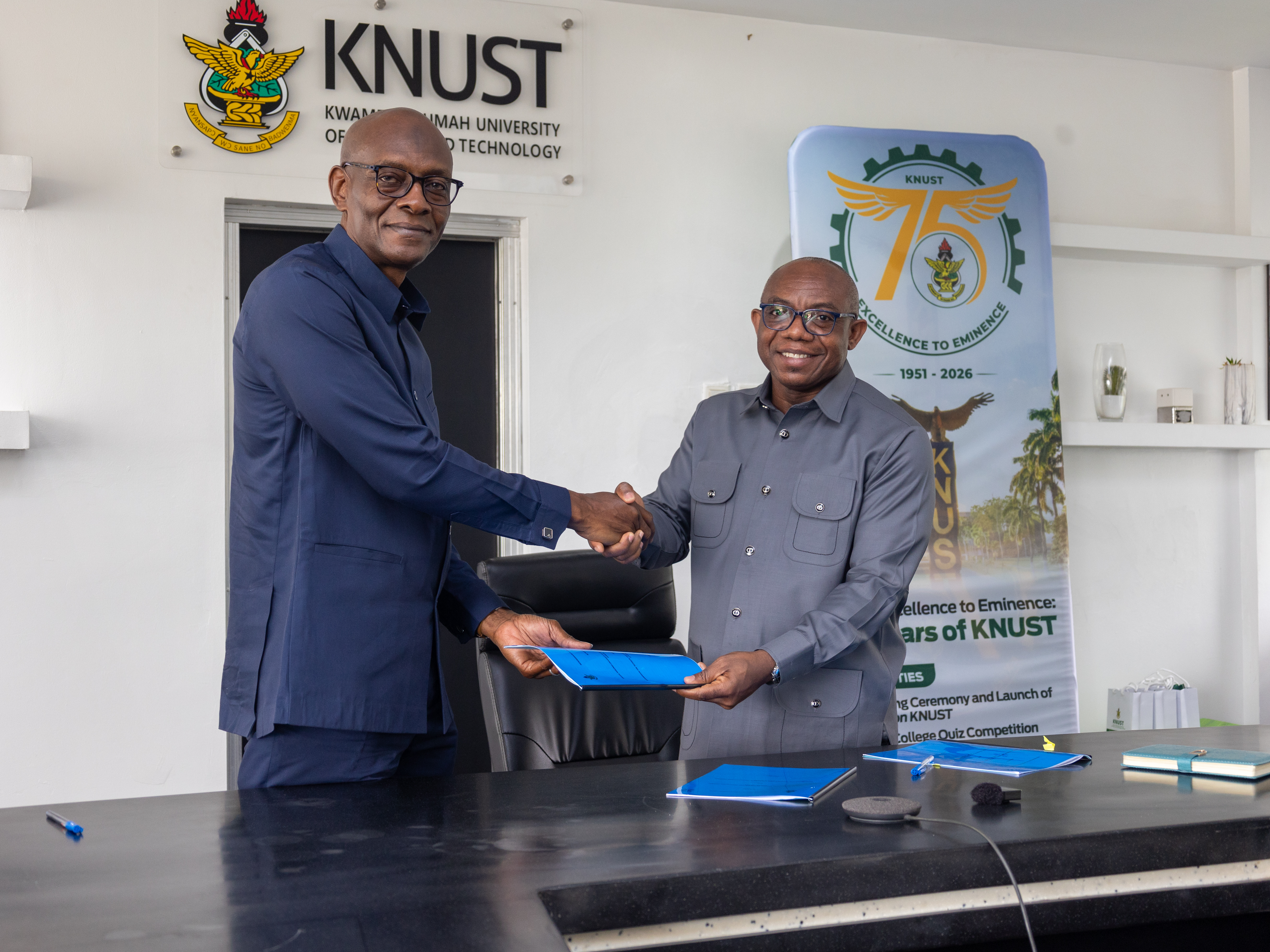
The Director-General of CTVET, Mr Zakaria Sulemana, welcomed KNUST’s interest in competency-based training.
“We have had some discussions with the College of Agriculture and Natural Resources-KNUST, and worked together to introduce competency-based training. If a university such as KNUST would incorporate competency based training, even as short courses for graduates of the college, we think it is a very good start,” he said.
Mr Sulemana said the approach could help tackle unemployment by equipping learners with practical skills.
“We believe that the promotion of competency-based training will help, to a large extent, to address the big problem of unemployment that is prevalent in the country,” he said.
He said CTVET would work with KNUST to maintain training standards and align the programme with the National TVET Qualifications Framework, enabling learners to obtain recognised qualifications.

The Provost of the College of Agriculture and Natural Resources, Professor Dadson Awunyo-Vitor, said the partnership would enable KNUST to provide practical training to community members regardless of their educational background.
“One way to have a community impact is to get people and train them. By providing practical training to community members, regardless of their educational background, we can equip them with the skills to become self-reliant,” he said.
Professor Awunyo-Vitor said the partnership could also create opportunities for district assemblies to support skills training for unemployed young people in their communities.

The Vice-Chancellor, Professor Christian Agyare, said the agreement could help address youth unemployment, including among university graduates.
“I think this MoU is in the right direction. I believe the approach we are adopting, especially in response to youth unemployment among both people without formal education and university graduates. Competency-based training will enhance their skills enabling them to start their own businesses, work in groups or collaborate with others. I believe this will open doors for them,” he said.
Professor Agyare pledged the University’s support for the partnership.
“On behalf of the management of the University, the students and the University Council, I can tell you that you have our full backing. We are happy to be part of this.”
Story and Photos: Barkisu Mohammed


